Shared distributed generation is the Brazilian model in which consumers join a consortium, cooperative, condominium or civil association to receive energy credits from a renewable power plant connected to the local distribution grid. It works much like community solar in the United States. In the version sold as an energy subscription, the customer installs nothing: they join the group, the plant feeds power into the grid, and the local utility deducts the credits from each member's electricity bill.
This guide explains how distributed generation is defined in Brazil, the available models, how the credit system works, what changes with the Fio B transition, and what to check before signing up.
What distributed generation means in Brazil
Distributed generation (DG) is electricity produced close to where it is consumed, by small and mid-sized plants connected directly to the grid of a distribution utility. In Brazil, the model has existed since April 17, 2012, when ANEEL Normative Resolution 482/2012 came into force. ANEEL is the National Electric Energy Agency, the federal power regulator. In 2022, DG gained a legal framework with Law 14,300, signed on January 6 and published the next day. Detailed rules are set out in ANEEL Normative Resolution 1,000/2021, updated by Resolution 1,059/2023.
The law splits DG into two size bands, always for renewable sources or qualified cogeneration.
Micro distributed generation
Plants with installed capacity of up to 75 kW (kilowatts), measured in alternating current. This is the typical size of rooftop solar systems on homes and small shops.
Mini distributed generation
Plants above 75 kW and up to 3 MW (megawatts) for non-dispatchable sources, such as solar, or up to 5 MW for dispatchable sources. The law classifies as dispatchable hydropower plants with generation control, biomass, biogas and qualified cogeneration. Plants that serve shared generation usually fall into this band.
Distributed generation models in Brazil
Every model takes part in the Electric Energy Compensation System (SCEE, from the Portuguese acronym), Brazil's version of net metering. What changes is who receives the credits.
- Local self-consumption: the plant sits at the point of use and the same unit uses the credits. Example: solar panels on a house roof.
- Remote self-consumption: the plant is elsewhere and the credits go to units held by the same individual or company, including headquarters and branches.
- Multi-unit developments: energy is split among units in the same condominium, according to set percentages.
- Shared generation: different consumers, individuals or companies, join a consortium, cooperative, condominium or other civil association created for this purpose.
In the remote models, the law requires all units to be served by the same utility as the plant.
Consortiums and cooperatives
Shared generation is most often organized as a consortium or a cooperative. Consortiums usually bring companies together. Cooperatives can include individuals and companies, and each member holds a share. In both cases, the entity holds the plant or its right of use, and each member receives a fraction of the credits.
Where the energy subscription fits
Energy subscription is the commercial name of the service, close to what English speakers call a community solar subscription. A company organizes the group, secures access to a plant, handles registration with the utility and charges each member a monthly fee for its share of energy. For the customer, it feels like subscribing to a service: no construction work, no equipment purchase and no maintenance.
How the energy credit system works
According to ANEEL, the SCEE uses the utility grid as a kind of battery. The cycle has five steps:
- The plant generates electricity and feeds it into the utility grid.
- The injected energy is recorded as credits in kWh (kilowatt-hours).
- The plant holder tells the utility the percentage or priority order for each participating unit.
- On each member's bill, the utility deducts the credits from that month's consumption.
- If credits exceed consumption, the balance carries over to the following months. Credits expire after 60 months.
In practice, members receive two charges: the utility bill, with credits already deducted, and the subscription fee. Some items are not offset by credits, such as the municipal public lighting fee and, depending on the case, part of the tariff components.
Law 14,300/2022 and the Fio B transition
Brazil's distribution system use tariff (TUSD) includes a component called Fio B, which translates roughly as "wire B". It pays for the utility's network assets, depreciation, and operation and maintenance. Before Law 14,300, compensated energy also offset this component. The law created a transition so that DG users gradually start paying for their use of the grid.
Who keeps the previous rules
Units with generation in place on January 7, 2022, or that filed a grid access request within 12 months of that date, keep the previous rules until December 31, 2045.
Phase-in for other projects
For everyone else, a share of Fio B applies to compensated energy, under Article 27 of the law:
| Year | Share of Fio B paid on compensated energy |
|---|---|
| 2023 | 15% |
| 2024 | 30% |
| 2025 | 45% |
| 2026 | 60% |
| 2027 | 75% |
| 2028 | 90% |
From 2029 onward, the rules of Article 17 apply. They depend on a valuation of DG costs and benefits, based on guidelines from the National Energy Policy Council (CNPE) and calculations by ANEEL.
A specific case for shared generation
The law treats differently mini generation above 500 kW in remote self-consumption or in shared generation where a single holder has 25% or more of the credits. In these cases, 100% of Fio B applies, plus 40% of transmission-related components and charges, until 2028.
The practical effect is that, in 2026, part of the value of compensated energy is not deducted from the bill. A sound contract shows how this rule is reflected in the price.
Who can join shared distributed generation in Brazil
- Individuals and companies: homes, shops, industries and rural properties.
- Consumer units served by the same utility as the plant.
- Customers in the regulated market, who buy power from their local utility. Under the law, free and special consumers that buy electricity in Brazil's free market cannot join the SCEE.
- Those without a roof, space or capital for their own system, such as apartment residents.
Enrollment is made in the name of the account holder of the consumer unit and requires no work on the property.
What to check before signing an energy subscription
Savings for each customer depend on the utility tariff, the consumption profile, taxes and the applicable transition rule. Be cautious with advertised percentages that do not explain how they are calculated, and ask for a simulation based on your own bill. Before signing, check:
- Service area: the plant must be within your utility's concession area.
- Fee structure: whether the price is fixed, based on compensated kWh or linked to the tariff, and how tariff changes and Fio B affect it.
- Term and exit: contract length, notice period, cancellation fee and what happens if you move.
- Share sizing: your share should match your consumption history. Excess credits may expire unused.
- Plant ownership and operation: the company's track record, monitoring, maintenance and plant performance.
- Regulatory status: whether the plant is under the previous rules or the transition, and how the contract handles rule changes.
- Transparency: reports on energy generated and credits allocated, and customer service channels.
Brazil's distributed generation market
According to ANEEL data compiled by the Brazilian Distributed Generation Association (ABGD), Brazil ended 2025 with 43.5 GW of installed micro and mini distributed generation capacity and about 3.87 million connected systems, mostly solar. ABGD projects capacity growth of around 15% in 2026. The market keeps expanding, now under transition rules that call for closer attention to the quality of contracts and assets.
GV Energia and GVS Group's power plants
GV Energia is the GVS Group company that sells distributed generation energy to homes, businesses and industries in Brazil. It is part of a group that develops, builds, operates and owns its assets.
In July 2026, GV Energia recorded 2,356,325 kWh of compensated energy, its highest monthly volume to date, serving more than 2,400 customers across 2,597 installations. Businesses make up about 9% of the customer base and account for more than half of the compensated energy.
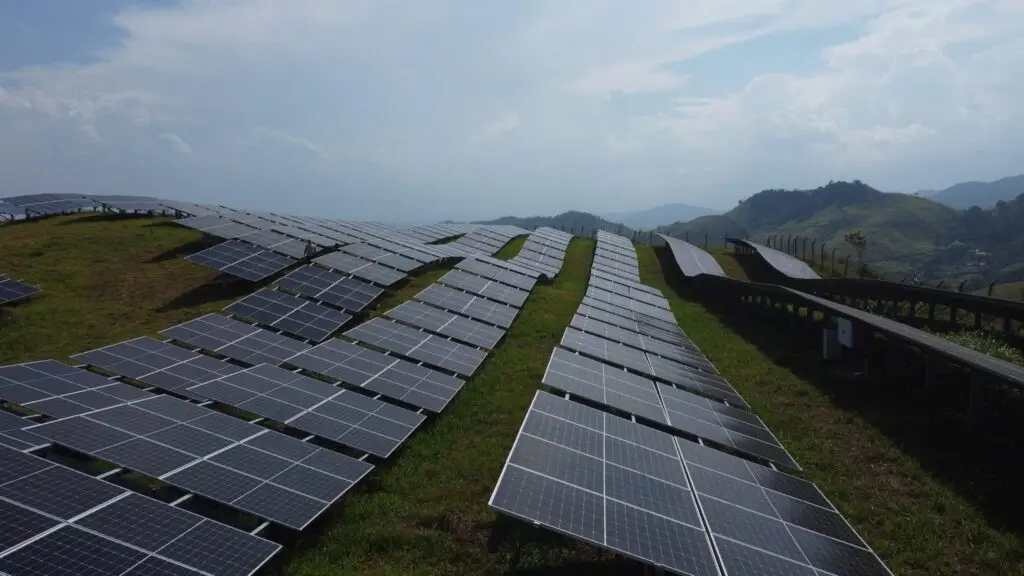
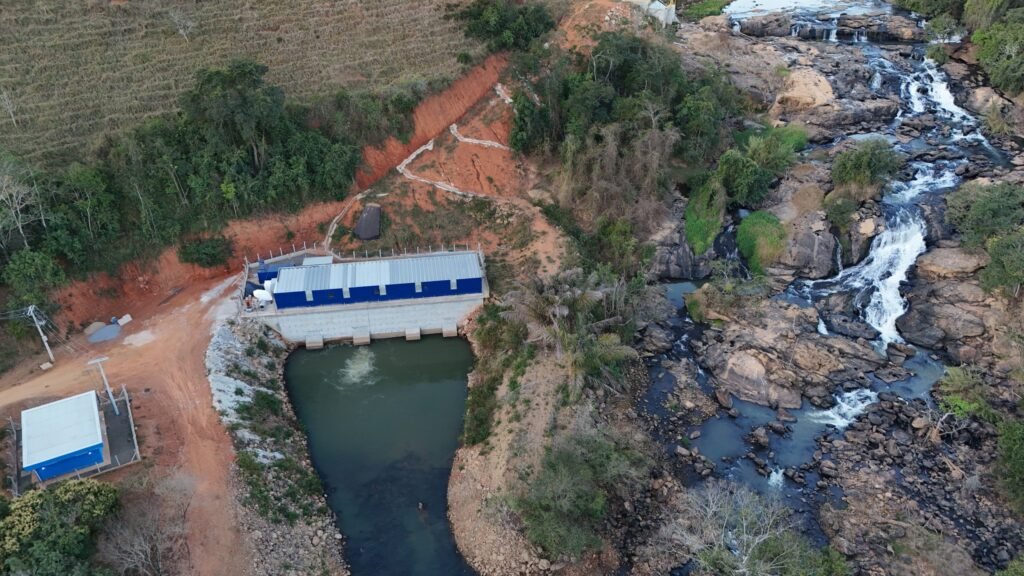
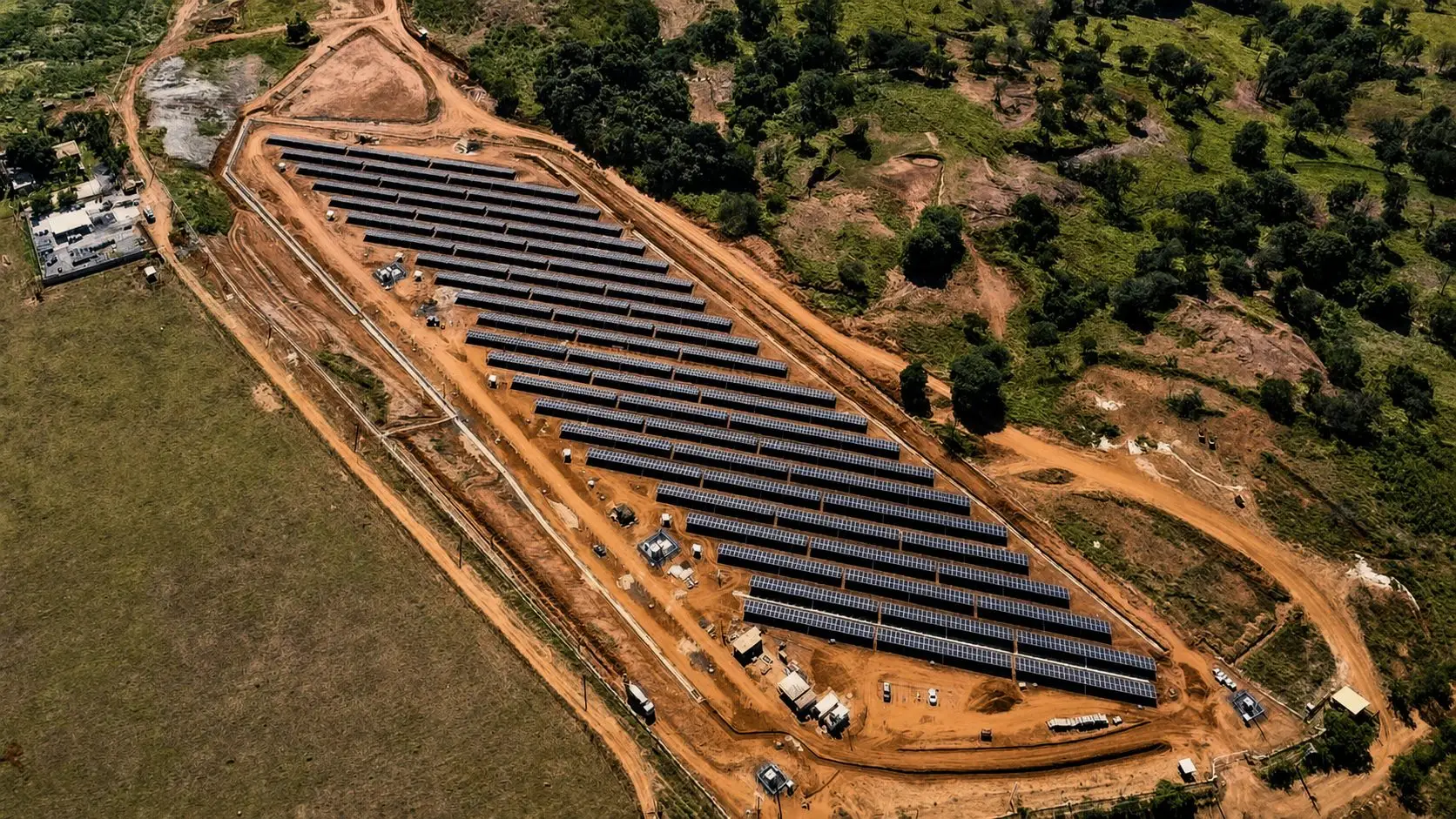
Behind the credits are assets run by the group itself. GVS Group has 117 power plants in 16 Brazilian states and 370 MWp in operation, with renewable generation from solar, hydropower and biogas. Its operations and maintenance team provides 24-hour monitoring and reached 93.7% operational efficiency against expected generation in 2025.
Explore the plants in our portfolio or reach the team through the contact page. From resource to results.
FAQ
What is shared distributed generation in Brazil?
It is a model under Law 14,300/2022 in which consumers join a consortium, cooperative, condominium or civil association to receive credits from a renewable micro or mini generation plant. The local utility deducts the credits from each member's bill, based on a set percentage. All units must be served by the same utility as the plant. It resembles community solar.
How does an energy subscription work in Brazil?
The customer joins a shared generation group organized by a company and pays a monthly fee for its share of energy. The plant feeds power into the grid, the utility records the credits and deducts them from the bill. No equipment is installed and no work is done on the property. Members receive the utility bill and the subscription fee.
How long do energy credits last?
Under Law 14,300/2022, energy credits expire 60 months after the billing date on which they were generated. For this reason, the contracted share should match the unit's consumption history. Credits above what the unit uses build up and may expire unused.
How much of Fio B applies in 2026?
For units outside the previous rules, 60% of Fio B, the network component of the distribution tariff, applies to compensated energy in 2026. It rises to 75% in 2027 and 90% in 2028. Units already generating in January 2022, or that requested grid access within 12 months, keep the previous rules until the end of 2045.
Who can join shared distributed generation in Brazil?
Individuals and companies in the regulated market, such as homes, shops, industries and rural properties, as long as they are served by the same utility as the plant. Enrollment is made in the name of the account holder. Free and special consumers that buy power in Brazil's free market cannot join the compensation system.